


English for Nurses: Improving Communication Across Generations in Nursing Teams


Table of Contents
Introduction: Why English for Nurses Matters in Multigenerational Teams
English for Nurses and Generational Differences in Healthcare
English for Nurses: Communication, Reflection and Patient Safety
English for Nurses Strategies for Stronger Multigenerational Teams
Frequently Asked Questions
Key Takeaway: How English for Nurses Can Support You
English for Nurses and Generational Differences in Healthcare
At English for Nurses, we regularly work with nurses from different generations, cultures and career stages. Whether you are from Generation X, Y, Z or a millennial, one thing unites all nursing professionals: patient safety must always come first. Clear communication is essential, especially in busy, high-pressure healthcare environments where misunderstandings can have serious consequences.
Generational differences can influence how nurses communicate, learn and respond to feedback. Some nurses trained in a more hierarchical system, while others are used to collaborative or digital-first environments. These differences are not weaknesses — they are opportunities for shared learning when teams are supported with the right language skills and communication strategies.
An insightful discussion published by Nursing Standard explores this topic in depth. In the article How can nursing teams improve communication between generations? by Erin Dean, five nurses share their personal experiences of working in multigenerational teams and the lessons they have learned. You can explore more professional nursing insights on the Nursing Standard website: https://journals.rcni.com/nursing-standard
English for Nurses: Communication, Reflection and Patient Safety
One theme that consistently emerges in multigenerational nursing teams is the challenge of speaking up — particularly when junior staff need to question more experienced colleagues. At English for Nurses, we recognise that confidence in professional English plays a major role in whether nurses feel able to raise concerns respectfully and clearly.
Self-reflection is another critical element. The Nursing Standard discussion highlights the importance of acknowledging communication failures and, where necessary, apologising and learning from them. These moments of reflection help to break down outdated stereotypes such as the harmful idea that “nurses eat their young,” replacing them with a culture of mutual respect and support.
Strong communication is not about age or seniority; it is about clarity, empathy and shared responsibility. This is why English for Nurses focuses on real-life clinical language, assertive communication techniques and patient-centred dialogue in both our online courses and in person courses. These skills empower nurses at every stage of their career to communicate safely and professionally.

English for Nurses Strategies for Stronger Multigenerational Teams
Creating safe spaces for open discussion is one of the most effective ways to improve teamwork across generations. When nurses feel confident in their language skills, they are more likely to contribute ideas, ask questions and share concerns. At English for Nurses, we teach practical phrases and frameworks that support respectful communication in meetings, handovers and clinical situations.
Learning tools also play an important role. Our CD language guides and pocket book guides, available through our shop, are designed for quick reference during busy shifts. These resources support nurses who want to improve their professional English while working alongside colleagues with different communication styles.
Multigenerational teams thrive when experience and fresh perspectives are valued equally. By improving professional English skills, nursing teams can reduce misunderstandings, strengthen collaboration and keep patients firmly at the centre of care — which is the shared goal of every nurse, regardless of age or background.
Frequently Asked Questions about English for Nurses
Why is English for Nurses important in multigenerational teams?
English for Nurses helps ensure clear, confident communication between colleagues of different ages and experience levels, supporting patient safety and teamwork.
Does English for Nurses support both experienced and newly qualified nurses?
Yes. Our courses and resources are designed for nurses at all career stages, from newly qualified professionals to highly experienced practitioners.
Can English for Nurses help with confidence in speaking up at work?
Absolutely. We focus on assertive, respectful communication that helps nurses raise concerns, ask questions and contribute professionally.
How can I stay updated with English for Nurses news and resources?
You can stay up to date with our latest articles, news and events by visiting our blog.
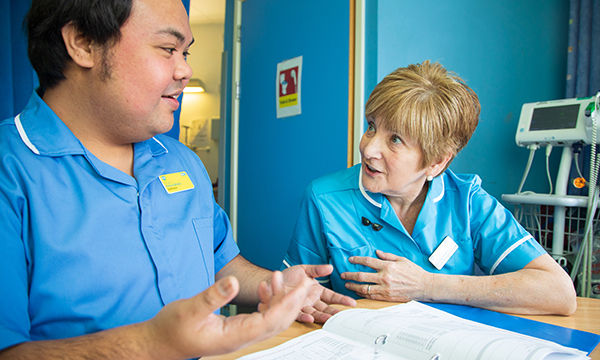
Key Takeaway: How English for Nurses Can Support You
Strong communication is the foundation of safe, effective nursing care — especially in multigenerational teams. At English for Nurses, we support nurses with practical, real-world English skills that improve confidence, teamwork and patient outcomes.
If you would like to improve your professional English, explore our online courses, in person courses or learning resources in our shop.
To speak to our team or find the right course for you, contact us here and take the next step in your professional development with English for Nurses.


Kommentare